Video games are often viewed as distractions or as activities that lack meaningful value. However, for many individuals, including myself, video games can serve a much more significant role. They can provide opportunities for relaxation, emotional processing, and social connection.
From my own experience, video games are something I turn to when life feels overwhelming. In moments where everything feels like too much, instead of trying to manage everything at once, I open a game—not necessarily to avoid reality, but to take a moment to pause and reset.
This project explores how video games can influence mental health through relaxation, emotional experiences, social connection, and digital identity.
🟣 Relaxation & Cozy Games
One of the most noticeable ways video games support mental health is through relaxation. While some games are fast-paced or competitive, others are intentionally designed to be calm and comforting.
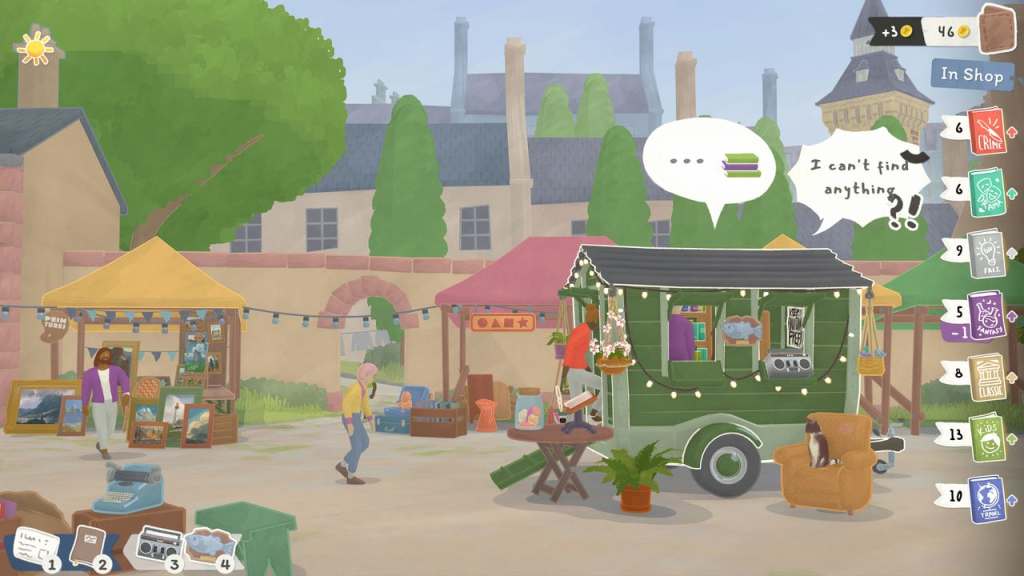
A game that stood out to me is The Tiny Bookshop. This game allows me to take a moment and step away from the overwhelming aspects of daily life. While playing, I find myself thinking less about stressors and more focused on the present moment.
The calming animation, soft color palette, and gentle pacing make the game visually appealing and contribute to a sense of relaxation. The overall atmosphere encourages a slower, more mindful experience.
Research has shown that interactive video games can support mental health by increasing relaxation, improving self-esteem, and promoting overall well-being (Santos et al., 2021). This aligns closely with my own experience, as games like The Tiny Bookshop do not place pressure on the player, but instead provide a space for rest and mental recovery.
🟣 Emotional Experiences & Processing (Life is Strange: True Colors)
While some games promote relaxation, others contribute to mental health by encouraging emotional engagement and reflection.
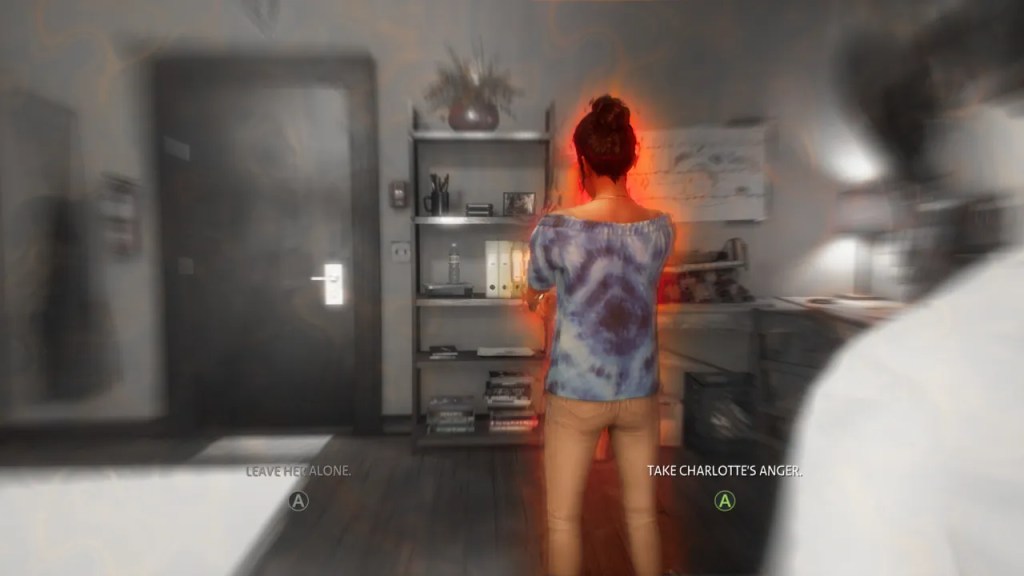
Life is Strange: True Colors is a game that deeply explores themes such as grief, loss, and emotional pain. Throughout the game, the player experiences the death of the main character’s brother, as well as the intense emotions of surrounding characters, including sadness and anger.
Additionally, the game introduces situations involving memory loss, which adds another layer of emotional complexity. Rather than simply observing these experiences, the player actively engages with them, creating a deeper emotional connection.
One of the most impactful aspects of the game is the ethical question it raises: if someone had the ability to remove negative emotions, should they do so?
Personally, I believe that some negative emotions are necessary. Although they can be difficult, they play an important role in personal growth and emotional development. Experiencing and working through these emotions can lead to greater emotional stability over time.
Research suggests that games focused on emotional experiences can help individuals process their feelings rather than avoid them (Raknes et al., 2024). This concept is clearly reflected in Life is Strange: True Colors, where emotional engagement is central to the experience.
🟣 Social Connection Through Gaming
Video games are not always solitary experiences. Many players use games as a way to connect with others through multiplayer environments and online communities.
From both personal experience and conversations with others, gaming can lead to meaningful social interactions. Players often communicate regularly, collaborate, and build friendships that extend beyond the game itself.
Research on online gaming communities has shown that these spaces can create social capital, including friendships, support networks, and a sense of belonging (Sachan et al., 2025). This demonstrates that gaming environments can function as important social spaces.
🟣 Digital Identity & Self-Expression
Another important aspect of gaming is digital identity. Many video games allow players to create characters or avatars, which represent them in virtual environments.
This process provides individuals with greater control over how they present themselves. As a result, players may feel more comfortable expressing aspects of their identity that they might not express as easily in real life.
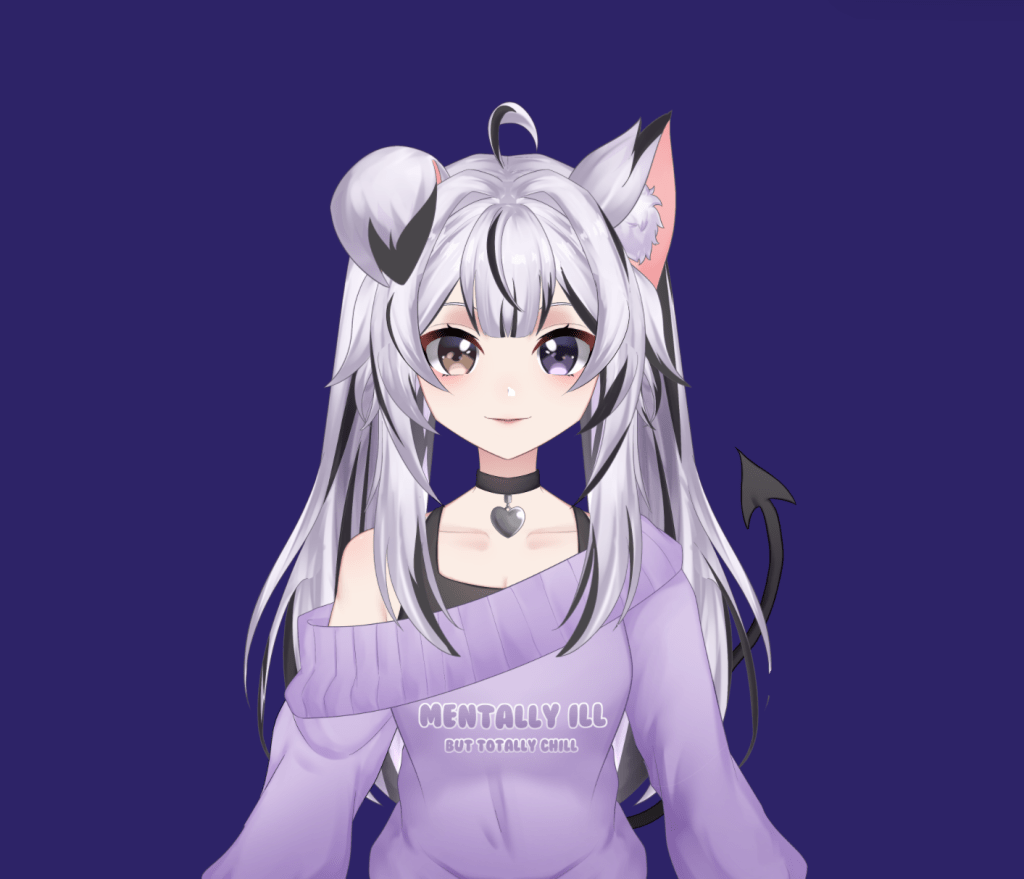
Even the use of a VTuber can be understood as a form of digital identity. While it still represents the individual, it allows for a different and sometimes more comfortable form of self-expression.
Research suggests that virtual identities allow individuals to express themselves in more flexible and controlled ways, which can influence how they interact with others (Sachan et al., 2025). This highlights the importance of identity within digital spaces.
🟣 Balance & Negative Effects
Although video games can provide several benefits, it is important to recognize that they are not always positive. Like many activities, excessive use can lead to negative outcomes.
Research has shown that excessive gaming can be associated with issues such as poor sleep habits and unhealthy routines (Matias et al., 2023). This suggests that balance is essential when engaging with video games.
Video games are not inherently beneficial or harmful. Instead, their impact depends on how they are used and integrated into daily life.
🟣 Conclusion
Overall, video games can support mental health in multiple ways. They can provide relaxation, encourage emotional processing, foster social connections, and allow for self-expression through digital identity.
From my own experience, games like The Tiny Bookshop provide a calming and restorative environment, while Life is Strange: True Colors encourages deeper emotional reflection and understanding.
Although video games are not a complete solution for mental health challenges, they can serve as a meaningful and valuable tool when used in a balanced and intentional way.
🟣 References
Matias, C. N., Cardoso, J., Cavaca, M. L., Cardoso, S., Giro, R., Vaz, J., Couto, P. A., Dores, A. R., Ferreira, T. B., Tinsley, G. M., & Teixeira, F. J. (2023). Game on: A cross-sectional study on gamers’ mental health, game patterns, physical activity, eating and sleeping habits. Computers in Human Behavior, 148, 107901. https://doi.org/10.1016/j.chb.2023.107901
Raknes, S., Townsend, D., Ghostine, C., & Hammoud, M. (2024). Expanding access to mental health: Evaluating the potential of a serious mental health game for adolescents. Cyberpsychology, Behavior, and Social Networking, 27(12), 873–881. https://doi.org/10.1089/cyber.2023.0688
Sachan, T., Chhabra, D., & Abraham, B. (2025). Social capital in online gaming communities: A systematic review examining the role of virtual identities. Cyberpsychology, Behavior, and Social Networking, 28(3), 147–162. https://doi.org/10.1089/cyber.2024.0375
Santos, I. K. d., Medeiros, R. C. d. S. C. d., Medeiros, J. A. d., Almeida-Neto, P. F. d., Sena, D. C. S. d., Cobucci, R. N., Oliveira, R. S., Cabral, B. G. d. A. T., & Dantas, P. M. S. (2021). Active video games for improving mental health and physical fitness—An alternative for children and adolescents during social isolation: An overview. International Journal of Environmental Research and Public Health, 18(4), 1641. https://doi.org/10.3390/ijerph18041641
Welcome to Evie’s Hours — a soft little haven for healing, hope, and all things cozy.
This space is part blog, part future private practice, and fully devoted to mental health, gentle living, and finding joy in the quiet moments.
Here, you’ll find wellness tips, lifestyle reflections, and a sprinkle of kawaii charm — all wrapped in kindness. Whether you’re here to learn, breathe, or simply feel safe, I’m so glad you found your way here. 💗

 Evie's Hours
Leave a comment